













With only two matchweeks remaining in the campaign, Tottenham Hotspur have strengthened their position in the grueling race to avoid relegation to the Championship. The squad demonstrated a clear tactical evolution, offering a glimpse into the long-term project their manager was brought in to spearhead. Under a significant five-year contract, the vision for a modernized Spurs side is beginning to take shape, highlighted by the return of James Maddison to the pitch at the Tottenham Hotspur Stadium.
The last 30 hours have been largely positive for the North London club. Barring an extraordinary run of form from West Ham in the final days of the season, Spurs likely only need four more points to guarantee their Premier League status for the 2026-27 season. Considering the dire outlook only two weeks ago, the club has navigated its way into a much more stable position.
Signs of Tactical Evolution Under Pressure
There was a fleeting moment when survival felt almost certain. When Mathys Tel found the back of the net with a stunning, curling strike, the stadium erupted in the belief that the mission was nearly accomplished. While a victory on Monday would not have mathematically sealed their safety, it would have provided the momentum necessary to tackle upcoming fixtures against Chelsea and Everton with confidence.
For significant portions of the match, the influence of Roberto De Zerbi was evident. Mirroring his previous success at Brighton, the manager had Tottenham dictating the tempo and location of the game. Goalkeeper Antonin Kinsky played a pivotal role in this build-up, inviting the Leeds press by holding possession until the last possible second. However, unlike De Zerbi’s former teams, this Spurs iteration occasionally struggled with the execution of playing out from the back, nearly gifting Leeds an opening late in the game when a risky pass across the box went astray.
Despite these growing pains, the data suggests a team becoming more aggressive and efficient in transition. Throughout the first 33 matches of the season, Tottenham averaged just 3.5 possession recoveries in the attacking third. In this latest outing, that number rose to five, contributing to a recent three-game average of over six recoveries in high-pressure areas. While the attack hasn’t yet turned this territorial dominance into a high volume of clear-cut chances, the ability to pin opponents back is a significant step forward.
The Impact of Missing Clinical Finishers
The match ultimately highlighted a recurring theme for Spurs this season: a lack of clinical efficiency. After Tel’s opening goal gave them the lead, the opportunity to double the advantage fell to Richarlison following a setup by Randal Kolo Muani. Unfortunately, the chance went begging. In high-stakes matches, the absence of creative sparks like Dejan Kulusevski, Mohamed Kudus, or a natural finisher like Dominic Solanke becomes glaringly obvious.
Even a brief cameo from James Maddison wasn’t enough to secure the win. Maddison’s late appeal for a penalty was dismissed by referee Jarred Gillett and the VAR officials, leaving the team to rue what might have been. Without a sharp edge to complement their tactical control, Tottenham remained susceptible to the kind of errors that plague a young, developing squad under immense pressure.
The turning point came during a defensive set-piece where a momentary lapse in judgment proved costly. In an attempt to clear a corner with a bicycle kick, Tel’s boot made contact with Ethan Ampadu, who was challenging for the ball. Regardless of the severity of the contact, the decision to use such a high foot in a crowded box invited a penalty, and Spurs were duly punished.
Uncertainty in the Final Stretch
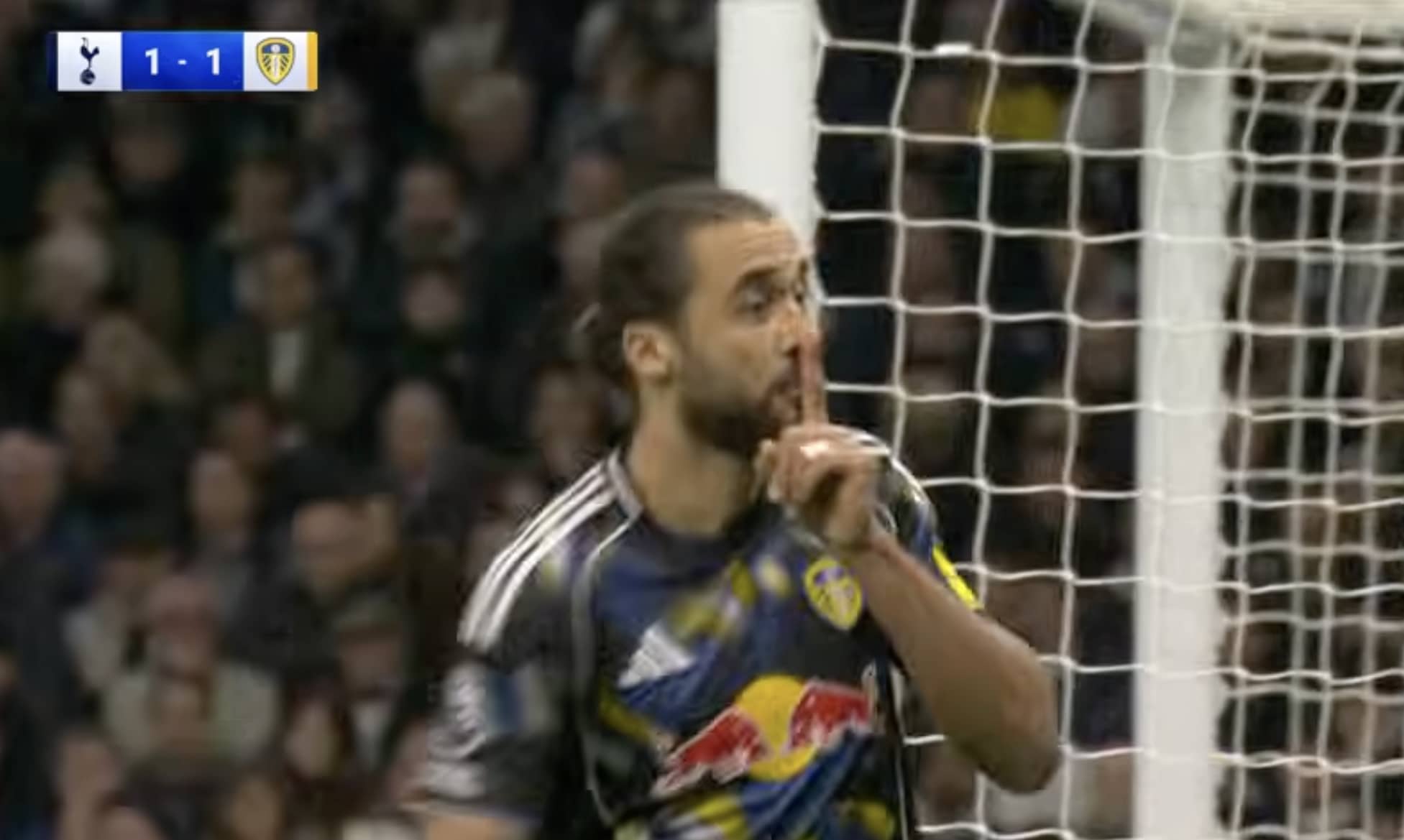
The final fifteen minutes saw the game devolve into chaos. Spurs fans may look back at the Maddison penalty shout over Lukas Nmecha’s challenge with frustration, or they may find solace in Kinsky’s vital save against Sean Longstaff, which potentially salvaged a point. For now, the club remains in a state of flux.
The looming question is whether Chelsea or Everton will find the motivation to push for European spots, or if West Ham will mount a perfect run to close the gap. One certainty remains: Tottenham currently lacks the consistent firepower required for a high-scoring survival shootout. However, when compared to the setbacks suffered by their direct rivals, this result keeps their destiny in their own hands.
Final Thoughts on Tottenham’s Survival Path
While the draw against Leeds feels like a missed opportunity to secure safety early, it represents a step in the right direction. Tottenham showed they are capable of implementing a sophisticated tactical system, even under the threat of relegation. The defensive improvements and the increased intensity of their high press are promising signs for the future. As the season reaches its climax, the focus must remain on clinical execution in the final third. Whether this hard-fought point is sufficient to maintain their top-flight status is a question that will only be answered in the final 180 minutes of the season.