







Arsenal supporters anticipating a more adventurous offensive approach next season may soon see their wishes fulfilled. While the Gunners’ disciplined structure secured them a Premier League title, the lack of a clinical edge was felt in their Champions League final defeat. To prevent stagnation, the club is reportedly orchestrating a significant overhaul of their forward line during the summer transfer window.
The recruitment strategy appears centered on revitalizing the left flank. This tactical shift suggests that long-standing options like Gabriel Martinelli and Leandro Trossard could be moved on to facilitate new arrivals. Even Gabriel Jesus finds his role under scrutiny as Mikel Arteta seeks to evolve the team’s attacking dynamics into a more potent force.
Projected Starting Attacking Unit
If Arsenal successfully executes their primary transfer targets, the frontline will take on a formidable new look. Bukayo Saka remains the cornerstone of the right wing. Although his form fluctuated last season, the 24-year-old is entering his prime years and remains an indispensable part of the club’s long-term vision.
In the center-forward position, Viktor Gyokeres is expected to maintain his starting role. His return to English football was productive, if not entirely dominant. While a significant transfer budget might allow for further competition in this area, Gyokeres has earned the opportunity to lead the line for another campaign as the focal point of the attack.
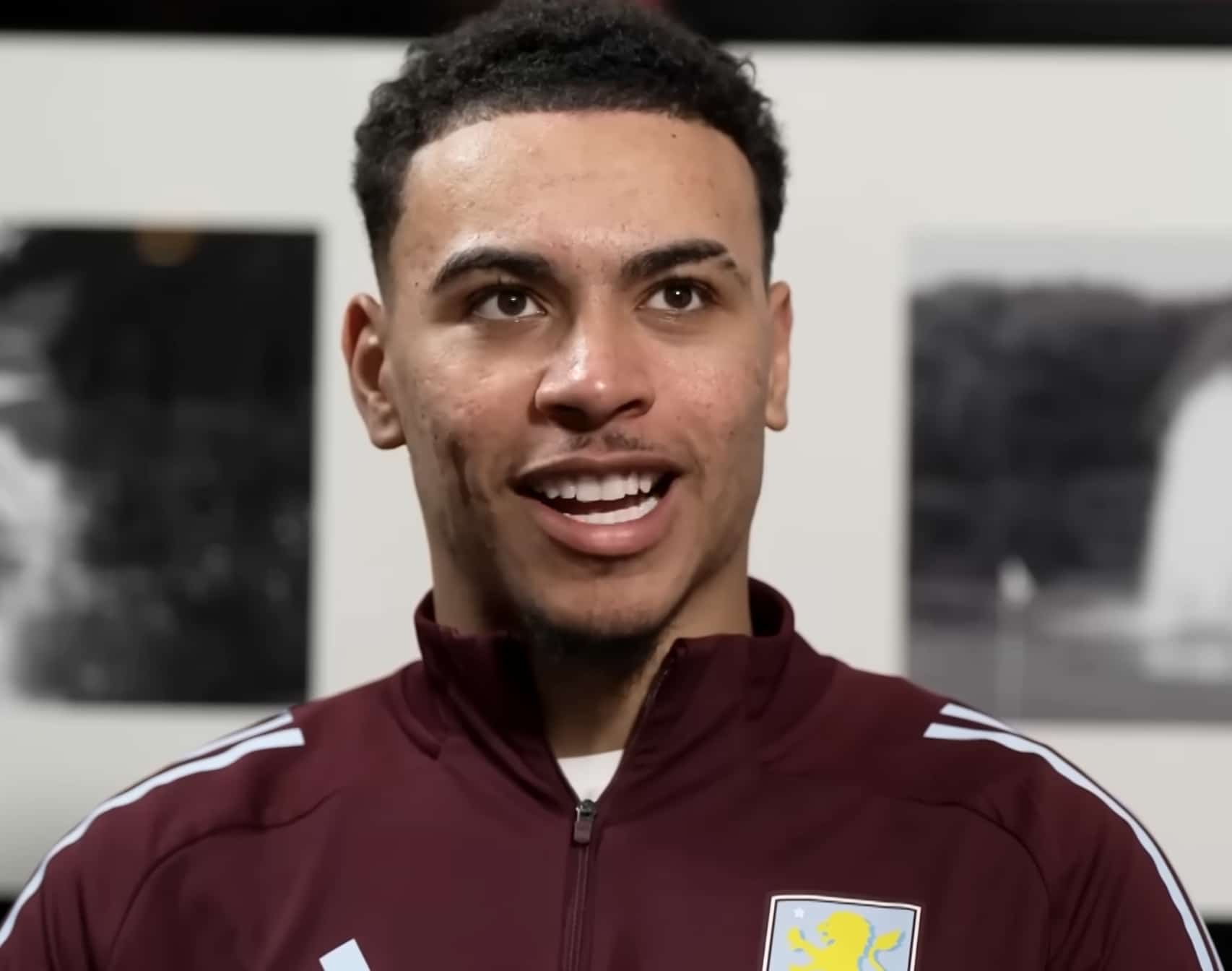
The left side is where the most dramatic changes are likely. Aston Villa’s Morgan Rogers has emerged as a priority target due to his versatility; he is equally comfortable on the wing or operating as a creative number 10. However, if Arsenal prioritizes a specialized winger, Paris Saint-Germain’s Bradley Barcola is the alternative “dream” signing. Should the club manage the ambitious feat of securing both, Barcola would likely occupy the left wing, allowing Rogers to provide elite competition for central roles alongside the likes of Martin Odegaard.
Arsenal’s Depth and Alternative Options
Building a squad capable of competing on multiple fronts requires more than just a strong starting eleven. Although Arsenal may eventually look for a long-term upgrade for Gyokeres, Kai Havertz remains a vital part of the rotation. His ability to perform in high-pressure moments—highlighted by his goal in a second career Champions League final—ensures his place in Arteta’s plans. Similarly, Mikel Merino offers tactical flexibility, providing an auxiliary option in the forward line despite his primary role in midfield.
On the flanks, Noni Madueke is expected to retain his spot in the squad. His ability to cover both wings provides essential depth, even if he hasn’t yet established himself as a guaranteed starter. Additionally, the club continues to monitor the development of academy prospect Max Dowman, who could see increased first-team involvement.
The most high-upside addition to the bench could be Christos Tzolis. Currently at Club Brugge, Tzolis posted an impressive 22 goals and 29 assists last season. While his previous stint at Norwich City was underwhelming, his current output suggests a player who has matured significantly. Valued at approximately £34.5 million, the 24-year-old represents a calculated risk. His arrival would likely complement, rather than hinder, the pursuit of top-tier targets like Rogers or Barcola, giving Arsenal the diverse attacking options they lacked during their title-winning run.
Arsenal’s summer strategy reflects a clear desire to transition from a functional, controlled side into a dynamic attacking juggernaut. By offloading underperforming assets and bringing in versatile, high-production wingers, the club is positioning itself to defend its domestic crown while mounting a more aggressive challenge for European honors.