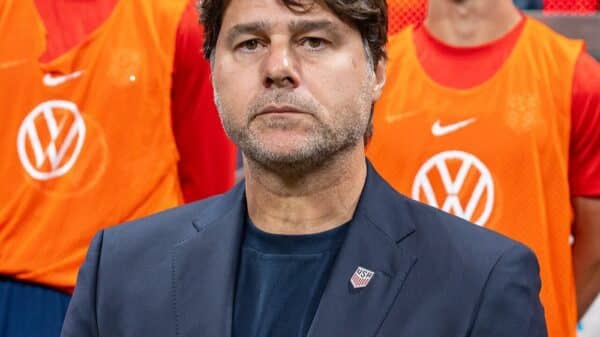








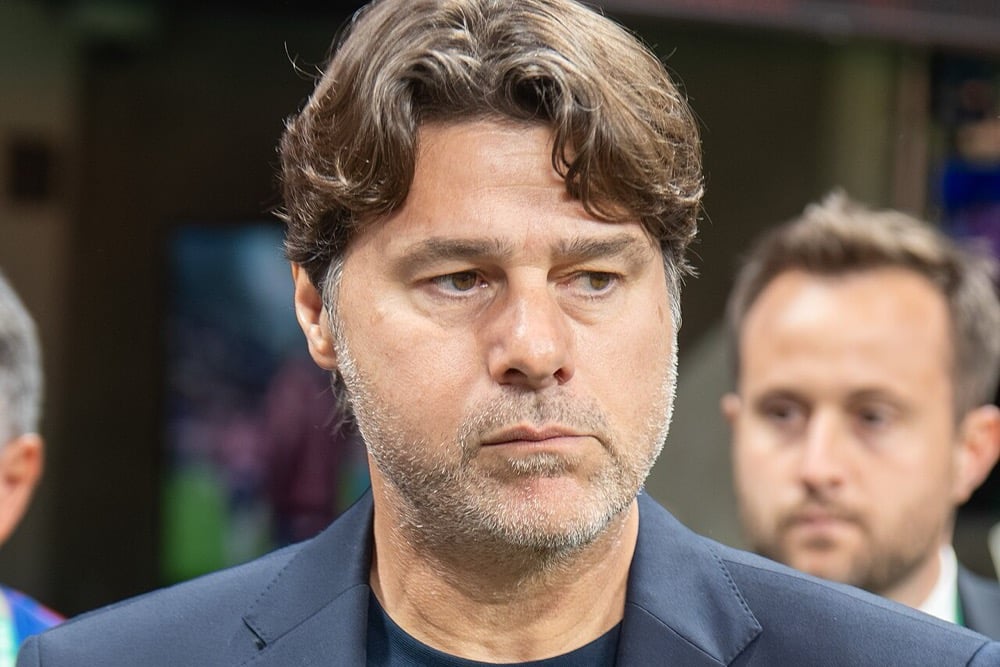
Mauricio Pochettino raised the overall bar for U.S. Soccer, a sentiment frequently echoed as he prepares to manage his final pair of fixtures. However, his overall tenure presents a more complicated picture. His average of 1.91 points per match ranks as the third-highest among managers who have led the United States men’s national team for more than 10 matches, trailing only Gregg Berhalter and Bruce Arena. On the other hand, he stands out as the first permanent manager since Steve Sampson to depart without securing a Concacaf title, as the USMNT stumbled in both the Concacaf Nations League and the Concacaf Gold Cup. Even so, it is fair to argue he leaves the program in better condition than when he arrived, with due credit also belonging to U.S. Soccer leadership, including former sporting director Matt Crocker. This forms a complex legacy for Pochettino, one that will only come into clearer focus following his final two matches against Haiti.
Should his exit overshadow team performances on the field—leaving the USMNT out of the running for a consecutive Concacaf Nations League title—it would undermine a substantial portion of the progress he achieved in developing younger talent. As he steps down, the team’s World Cup exit in the round of 16 mirrors the outcome from 2022, keeping lingering doubts alive regarding how the squad matches up against elite global opponents. Looking ahead, the 2028 Olympics, a new national training facility designed to house senior and youth squads side by side, and enhanced youth pathways through MLS Next and MLS Next Pro ensure the program was positioned for stability regardless of who took the reins next. Consequently, evaluating the path forward remains paramount.
Match Schedule and Broadcast Details: Haiti vs. USMNT
Date: Saturday, Nov. 14
Time: 4:30 p.m. ET
Location: Nu Stadium — Miami, Florida
TV: TNT
Live stream: HBO Max
Odds: Haiti +750; Draw +440; USMNT -350
Factors Driving the Appeal of the USMNT Coaching Position
“Our ambition is high, and we believe that this is one of the great coaching jobs in the world. We have an experienced group of players; we’ve got a dynamic young pool of players,” U.S. Soccer CEO JT Batson stated. Highlighting recent developments, he added that Pochettino, his staff, and most of the senior roster observed the U-20 squad training at the national center—a notable moment for the organization. Batson reiterated that the overarching goal is competing for and winning major international tournaments, including World Cups, by drawing leaders capable of achieving those milestones. He emphasized that top leaders seek environments where they can collaborate with exceptional talent and create legacy-defining impact, qualities U.S. Soccer believes it consistently provides.
U.S. Soccer continues discussions to appoint a new director of soccer who will collaborate with the incoming head coach, United States women’s national team coach Emma Hayes, and the broader organizational staff to define the strategic direction of American soccer. Rapid sport growth within the country enhances the attractiveness of the role, even without relying entirely on the promotional appeal of hosting a men’s World Cup. Remarks from leadership suggest that while domestic candidates like BJ Callaghan remain strong fits, the federation holds a compelling pitch capable of drawing top-tier international managers to the negotiating table.
Evaluating Pochettino’s Unfinished Tenure
This does not diminish Pochettino’s contributions to the national program, though every manager leaves a distinct footprint. Jurgen Klinsmann brought added prestige to the position and integrated German-American players who elevated the roster. Gregg Berhalter increased the team’s baseline consistency, excelled in dual-national recruitment, and guided the squad out of the group stage at the 2022 tournament in Qatar. Looking back, some might argue the federation should have transitioned to a new direction after that World Cup, though player desire for continuity kept Berhalter in place.
Similar questions surround whether Pochettino should have received an extension following the global tournament, though he likely did not anticipate high-profile club opportunities, such as Manchester United, materializing quite so rapidly. Had he departed later—following a potential deep run by Steve Cherundolo’s U-23 squad at the 2028 Olympics—the exit might have felt less abrupt than the current premature conclusion experienced by the Argentine manager.
Sustaining the Competitive Culture Established Under Poch
Pochettino undeniably injected a fierce competitive confidence into the group. Players such as Sebastian Berhalter, Cavan Sullivan, Alex Freeman, and Neil Pierre noted that during peak periods, the tactical press could overwhelm virtually any opponent. The responsibility now falls on the roster to maintain those standards under fresh leadership.
“I think Poch definitely raised the standard since he’s been in charge. I think you guys have seen that, just the intensity of training, how we approach games, he’s changed our way of thinking as players, from calling the friendlies that we have in certain camps official games, not official games. He wants us to just be of a mindset to go out there and win,” Folarin Balogun remarked.
“He’s laid the foundation, and I think we, as players, have that ownership to not just do that because Poch was in charge; I think we have the ownership as players to carry that out because we know the standard,” he added. “So yeah, I think that’s the benefit of having a top coach, and I’m sure you know whether he’s here or not, the US will look to replace him with another top coach.”
An emotional departure for Pochettino and a disappointed locker room signal that the story did not conclude as planned, yet ample positive momentum remains for the next iteration of the team. With Cherundolo managing the December camp, adequate time remains to secure the right managerial fit. By demonstrating an ability to attract coaches of Pochettino’s stature, U.S. Soccer has proven it can draw elite talent, establishing a sustainable framework where success transcends any single individual.
Historically, sustainability has eluded U.S. Soccer, where minor setbacks could easily trigger broader instability. However, with strong financial backing, improved infrastructure, and flourishing youth pipelines aligned simultaneously, the program is positioned to construct a resilient future independent of individual coaching tenures—the ultimate prerequisite for lifting a World Cup trophy.