










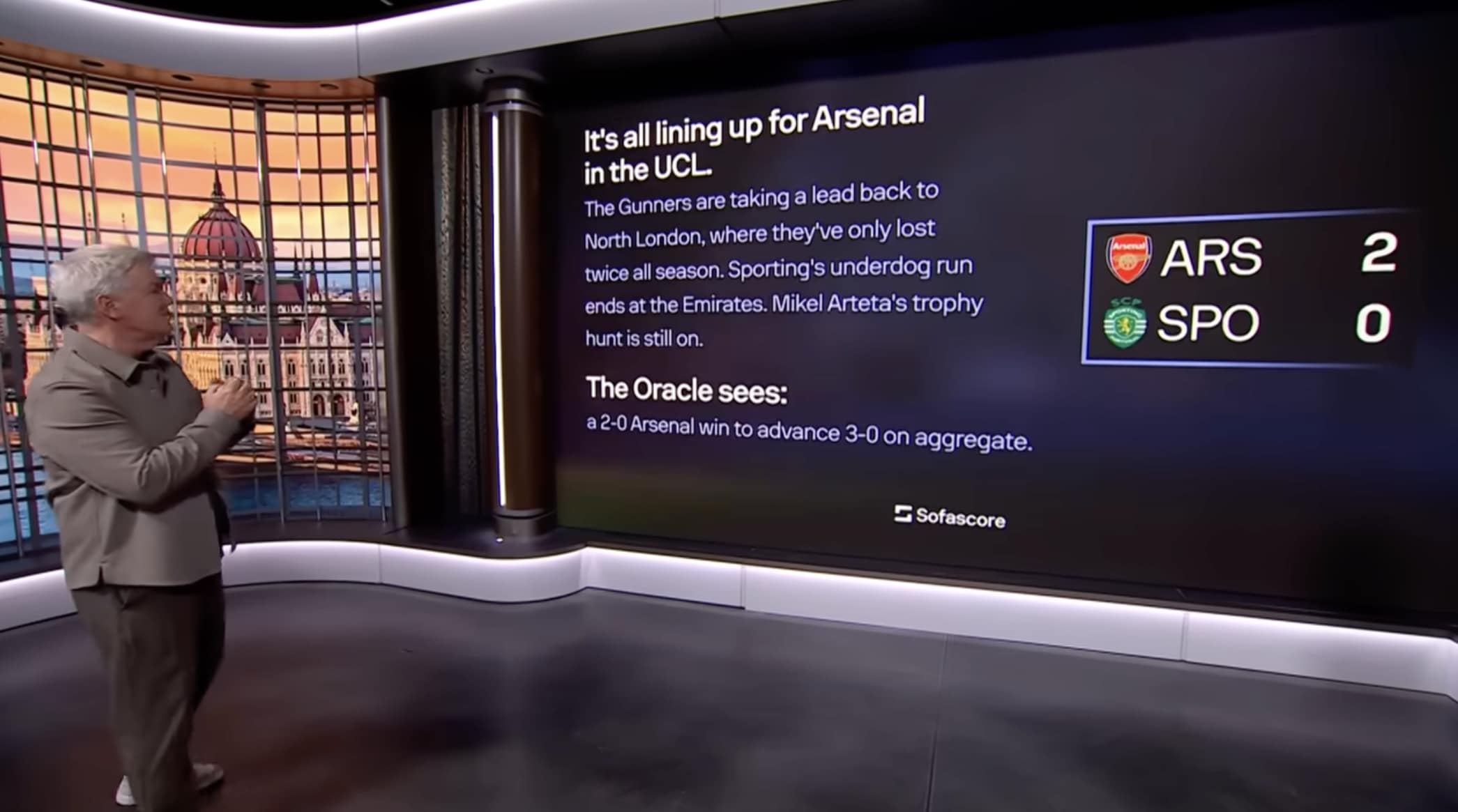

The European football landscape is electrified as elite teams vie for Champions League glory. With just four matches ahead, the pressure is palpable. Liverpool faces an uphill battle to overcome a 2-0 deficit against defending champions Paris Saint-Germain. Their situation mirrors that of Barcelona, who must similarly turn around a challenging scoreline against Atletico Madrid. Meanwhile, Real Madrid clings to a flicker of hope, aiming to reverse a 2-1 deficit to Bayern Munich. Yet, the narrative begins with Arsenal, whose slim one-goal lead against Sporting CP adds an intriguing twist to their precarious season.
1. Can Arsenal’s Attack Regain Its Spark?
Despite being favorites for both the Premier League and Champions League, Arsenal finds itself in a precarious position. Their upcoming clash with Sporting CP, viewed through the lens of a critical match against Manchester City, looms large. Mikel Arteta’s ambition of clinching a league title—first in 22 years—hangs perilously in the balance. Should the team falter now, questions regarding Arteta’s tenure will resurface, especially as rivals continue to underperform.
Recent results have cast a shadow over their campaign, with exits from cup competitions against Manchester City and Southampton, culminating in a disappointing loss to Bournemouth. As another contender emerges victorious, longstanding issues seem to intensify. A primary concern is Arsenal’s lackluster attacking performance; they have struggled to convert open play opportunities.
Nonetheless, the Gunners remain effective at set pieces, having created promising opportunities against Bournemouth. Arteta’s disappointment in their inability to efficiently capitalize on these chances is valid. In a league marked by resilient defenses, the ability to score from set pieces is invaluable. However, Arsenal’s ambition to be the “best and most dominant” team cannot be fulfilled if they continue their streak of ten games without a notable expected goal from open play.
In-depth analysis reveals that much criticism has been directed at the defense, exacerbated by Arsenal’s struggles against high-pressing opponents. Key midfielders like Granit Xhaka and Martin Ødegaard have battled injuries, further destabilizing their attacking potential. Ødegaard’s absence hampered the team, allowing opponents to stifle their progression up the field. Current statistics highlight Bukayo Saka’s impressive capacity to receive progressive passes, underscoring the urgency of his return.
Optimistically, the road to Arsenal’s revival lies in the return of Ødegaard and Saka. Though neither has played at their peak this season, they remain the team’s best outlets in critical areas. The decline in attacking third touches has become increasingly evident as injuries plagued key players, emphasizing the importance of their recovery.
However, Arteta’s decisions regarding lineup adjustments remain crucial. Selecting players who maintain possession while providing a balanced attack is essential. The combination of forwards like Gabriel Martinelli and Viktor Gyokeres has proven problematic, with insufficient ball retention hampering breaks into the opponent’s half. Such challenges emphasize the need for adjustments to enhance Arsenal’s attacking effectiveness.
2. Will Either Madrid Goalkeeper Deliver the Goods?
Atletico and Real Madrid may find themselves in contrasting positions ahead of their second leg matches, but both teams require stellar performances from their goalkeepers to secure a spot in the Champions League semifinals. Atletico holds a crucial two-goal advantage, but unpredictability surrounds their current form.
Traditionally a defensive powerhouse, Atletico must rise to the occasion against a formidable Barcelona side. Yet, their recent defensive metrics have shown vulnerabilities, giving them reason for concern. A goalkeeper’s performance could prove pivotal, particularly with Jan Oblak’s potential return from injury, which could bolster their defensive capabilities.
In contrast, Real Madrid faces an uphill task without their first-choice goalkeeper, Thibaut Courtois. Andriy Lunin takes over, bringing solid shot-stopping capability yet lacking Courtois’ experience and psychological edge against potent opponents like Bayern Munich. As Real Madrid battles defensive lapses, it’s clear they will need a remarkable performance from Lunin to keep the game competitive.
3. Can Manager Slot Strike the Right Balance Against PSG?
After an underwhelming tactical plan in the first leg against PSG, Jurgen Slot faces mounting pressure to adjust his strategy for the second leg. His previous decision to employ a back five did not yield the desired results and stifled Liverpool’s attacking potential. Addressing this deficit requires a recalibration of how his team engages with the ball.
Finding the right balance between offense and possession is critical for overturning a two-goal deficit. Slot emphasizes the need for his players to demonstrate technical proficiency while also remaining capable of posing a credible threat—a combination that was sorely missing in the first encounter.
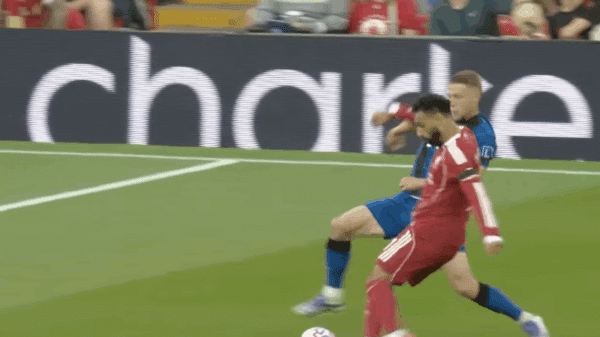
Potential lineup changes involving players like Andrew Robertson and Dominik Szoboszlai might enhance ball retention, though attacking prowess could be compromised. Leveraging the unpredictable talents of Mohamed Salah and emerging players such as Rio Ngumoha may hold the key for success. Slot must exercise caution while embracing risks, as the first leg illustrated that a cautious approach could equally falter against PSG’s attacking repertoire.
As the Champions League unfolds in its decisive rounds, the intricacies of strategy, performance, and squad management take center stage. Arsenal, Madrid, and Liverpool each face unique challenges that could define their seasons, setting the stage for compelling fixtures ahead.