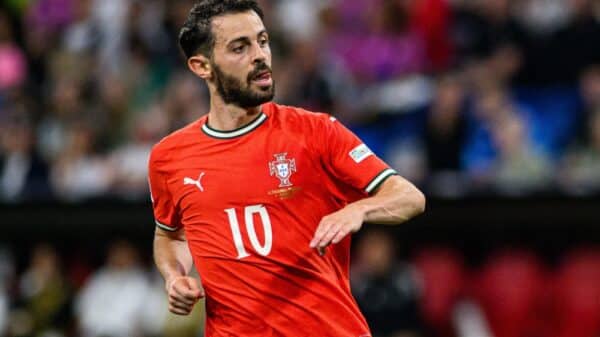
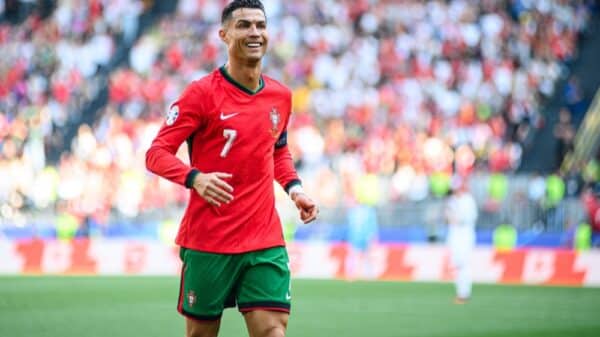











The Portuguese national team has officially transitioned into a new era of leadership, appointing Real Madrid midfielder Bernardo Silva as its new captain. This significant move follows the international retirement of the legendary Cristiano Ronaldo, marking the end of an iconic tenure that spanned over two decades.
Bernardo Silva Appointed to Lead Portugal Following Ronaldo’s Retirement
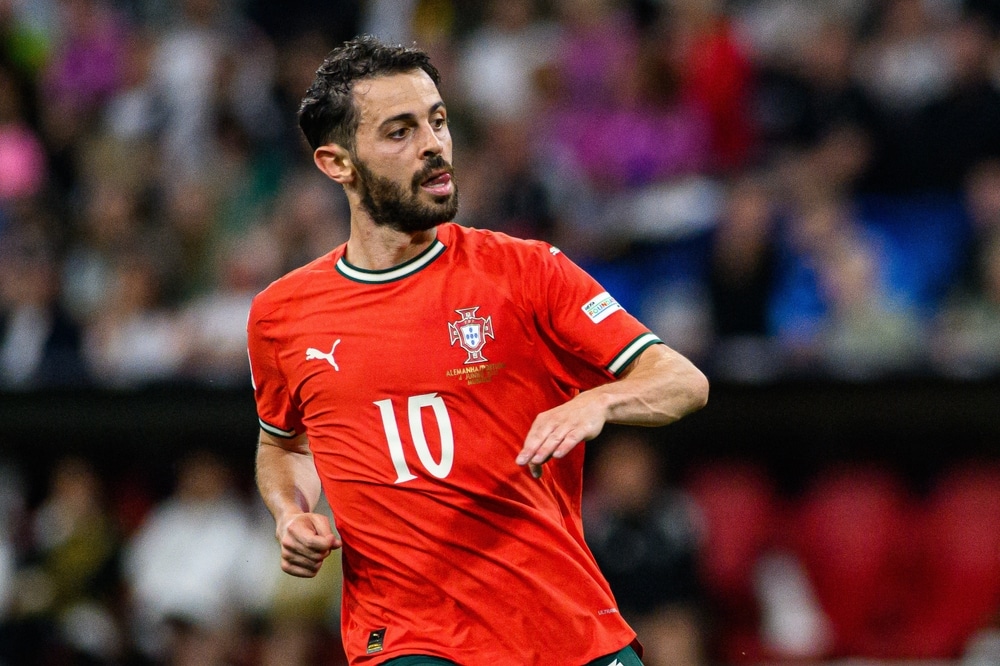
Following the conclusion of Cristiano Ronaldo’s historic 23-year international career, Bernardo Silva has been selected to inherit the captain’s armband. The 32-year-old playmaker, who recently joined Real Madrid after a highly successful, trophy-laden stint with Manchester City, takes over the leadership role as the team prepares for its next chapter. The appointment marks a symbolic passing of the torch from one of the game’s greatest icons to a seasoned veteran who has long been a pillar of the national side.
Manager Jorge Jesus confirmed the decision during a recent squad announcement ahead of the upcoming UEFA Nations League window. The news was also highlighted by football insider Fabrizio Romano, who signaled that Silva’s captaincy represents a fresh start for Portuguese soccer as they look to maintain their status among Europe’s elite.
The Experience and Core Leadership of the New Squad
With 115 international appearances, Bernardo Silva is currently the most experienced figure in Portugal’s leadership hierarchy. His extensive background in high-stakes matches and his consistent performances for Real Madrid were cited by Jorge Jesus as primary reasons for his selection. The manager expressed confidence in Silva’s ability to lead, noting his experience competing at the highest level of European club football.
While Silva will serve as the primary captain, the team will rely on a broader leadership group to maintain stability. Other key figures identified as potential leaders and captains within the squad include Ruben Dias, Bruno Fernandes, Joao Cancelo, and Ruben Neves. This blend of experience across Europe’s top leagues is expected to provide a strong foundation for the national team as they navigate the post-Ronaldo landscape.
Honoring the Record-Breaking Legacy of Cristiano Ronaldo
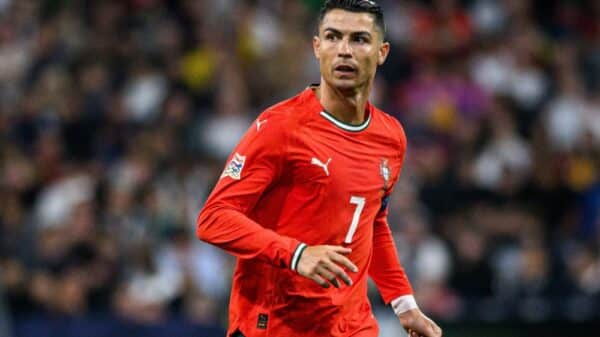
Silva’s appointment follows the retirement of a player whose impact on the sport was unprecedented. Cristiano Ronaldo stepped away from international duty with 234 appearances and 146 goals, both of which stand as all-time records in men’s international football. His departure concludes a career defined by massive achievements, including leading Portugal to the 2016 European Championship title and two UEFA Nations League trophies.
Ronaldo’s tenure was marked by an unwavering drive to succeed, a trait he often emphasized as essential for any player representing their country. His exit leaves a void in terms of both production and presence, but it also provides an opportunity for the next generation of Portuguese talent to define their own legacy under Silva’s guidance.
Immediate Goals: The UEFA Nations League Campaign
Portugal will begin this new phase of international competition with two crucial UEFA Nations League fixtures in mid-November. The team is scheduled to face Denmark on November 14, followed by a clash against Wales on November 17. These matches will serve as the first real test for Silva in his new role, as the team looks to adapt their tactical approach and team chemistry without their longtime talisman.
The expectations for Silva are high, as he is tasked with maintaining the winning culture established over the last several years. However, with his pedigree and the support of a talented core of veterans, the transition appears to be in capable hands.
Final Thoughts on Portugal’s Leadership Transition
The appointment of Bernardo Silva as captain is a strategic move intended to provide Portugal with continuity and elite experience. As the team moves forward from the Ronaldo era, the focus shifts toward a collective leadership model centered around Silva’s technical brilliance and veteran composure. By leaning on a group of proven leaders like Dias and Fernandes, Portugal aims to remain a dominant force in international football while honoring the historic standards set by their predecessors.