







In the realm of football, the conversation surrounding racial abuse has gained significant traction, especially after the recent Champions League match between Benfica and Real Madrid. The aftermath has drawn reactions from well-known personalities, including Bayern Munich’s manager, Vincent Kompany, who articulated the complexities of the situation with clarity.
Incident Overview
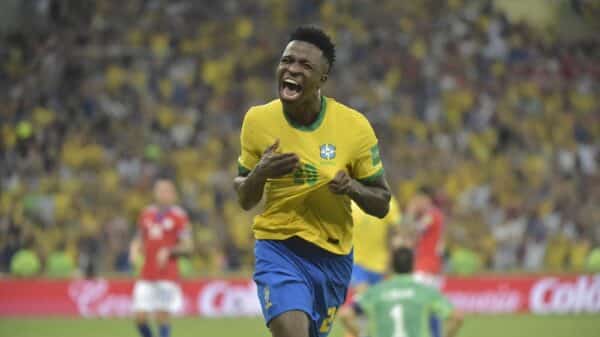
During Real Madrid’s 1-0 victory over Benfica, the match was halted for several minutes after Vinicius Junior accused Benfica’s Gianluca Prestianni of making a racist remark. The tension escalated following Vinicius’ goal celebration, which resulted in a yellow card. In a heated exchange following the incident, Vinicius alleged that Prestianni referred to him as ‘mono’—a derogatory term translating to monkey.
Mourinho’s Controversial Remarks
After the game, Benfica’s manager, José Mourinho, faced intense scrutiny for his remarks related to racial abuse. While discussing the situation in several media interviews, he brought up Vinicius’ goal celebration and referenced the club’s legendary black player, Eusebio, suggesting that Benfica is not a racist organization. “When he was arguing about racism, I told him the biggest person in the history of this club was black,” Mourinho stated. This comment underscored a disconnect between acknowledging historical context and addressing present issues of racism.
Criticism of Mourinho’s Stance
Former footballer Micah Richards weighed in on the controversy, expressing disappointment in Mourinho’s response. “I expect better from him because he’s a powerful person within the sport,” Richards articulated, highlighting the significant influence officials like Mourinho have in setting a tone for how such issues are addressed.
Kompany’s Thoughtful Rebuttal
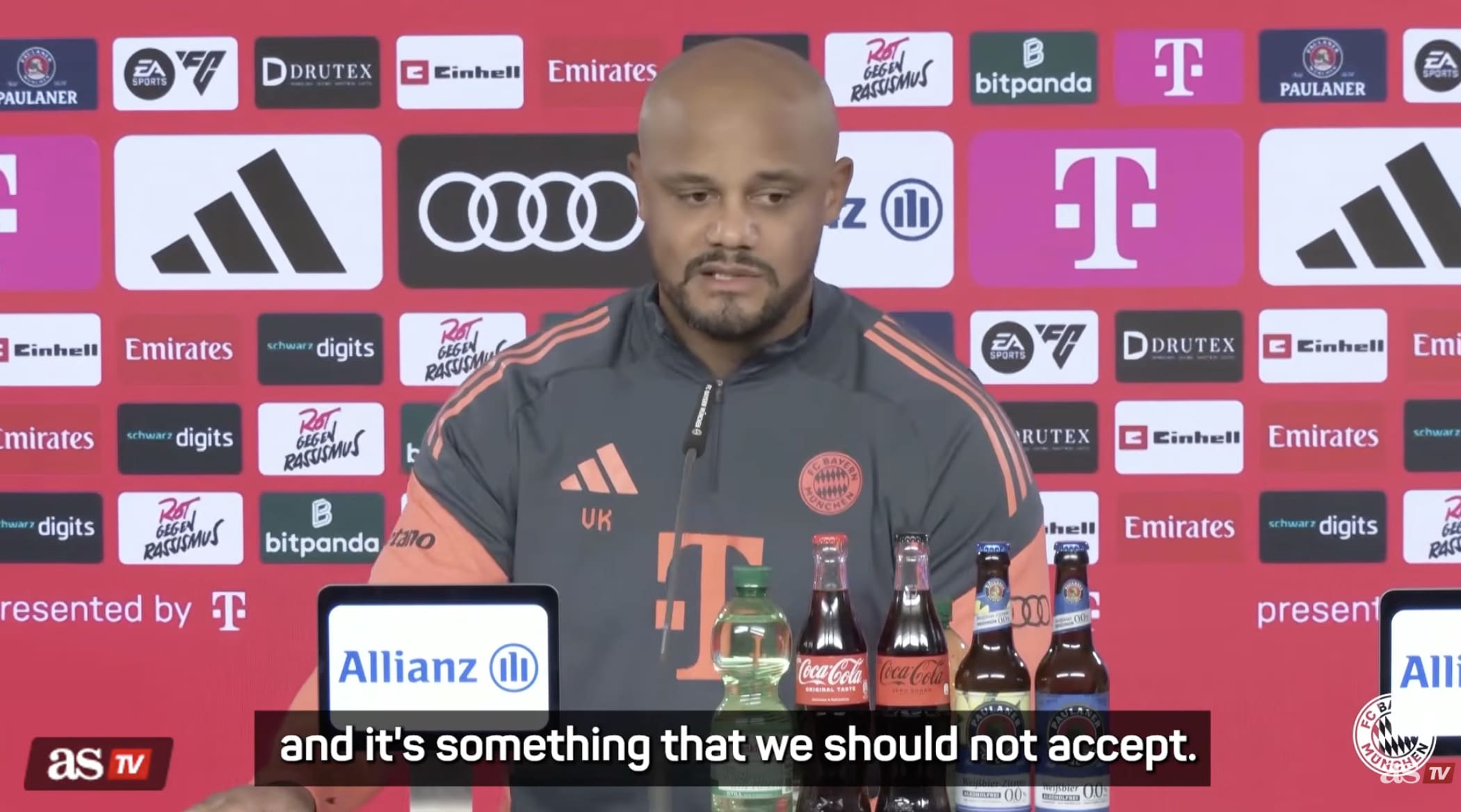
Amidst the uproar, Vincent Kompany provided a comprehensive analysis of the situation when addressing the press. He underscored the disservice done to Vinicius Junior by minimizing his experience through the lens of a historical figure like Eusebio. “Do you know what black players had to go through in the 60s?” Kompany asked pointedly, emphasizing the need to recognize the ongoing struggles against racism in football.
The Importance of Advocacy
Kompany elaborated on the evolution of the conversation surrounding race in sports, and the important role players have today to speak out. He reflected on his own background and the necessity of acknowledging that many athletes still lack a voice in confronting racism. “There are players in different leagues in Europe who don’t have a voice,” he said, calling for support and solidarity among players and fans alike.
Conclusion
The discourse initiated by this incident sheds light on the persistent and often complex issues of racism within sports. The reactions from both Mourinho and Kompany highlight the responsibilities of leaders and figures within the football community to address these topics with sensitivity and awareness. As the conversation continues, it becomes increasingly clear that the courage to speak out against racism is a necessary step in fostering a more inclusive environment in sports.