










In an unexpected twist, Morocco has been declared the champions of the Africa Cup of Nations (AFCON) for 2025, two months after Senegal’s initial victory was celebrated. This landmark decision by the Confederation of African Football (CAF) comes after a contentious appeal from the Moroccan Football Federation (FRMF) regarding the chaotic events that transpired during the final match held at the Prince Moulay Abdellah Stadium.
Unfolding Drama in the Final
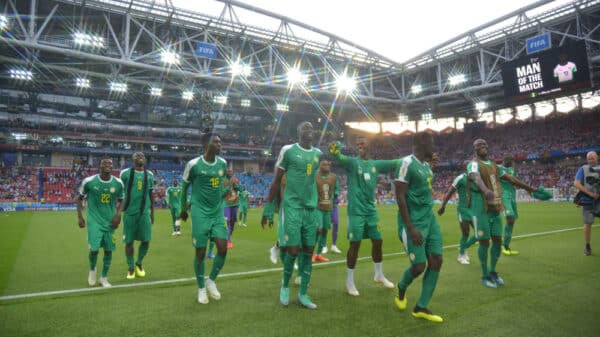
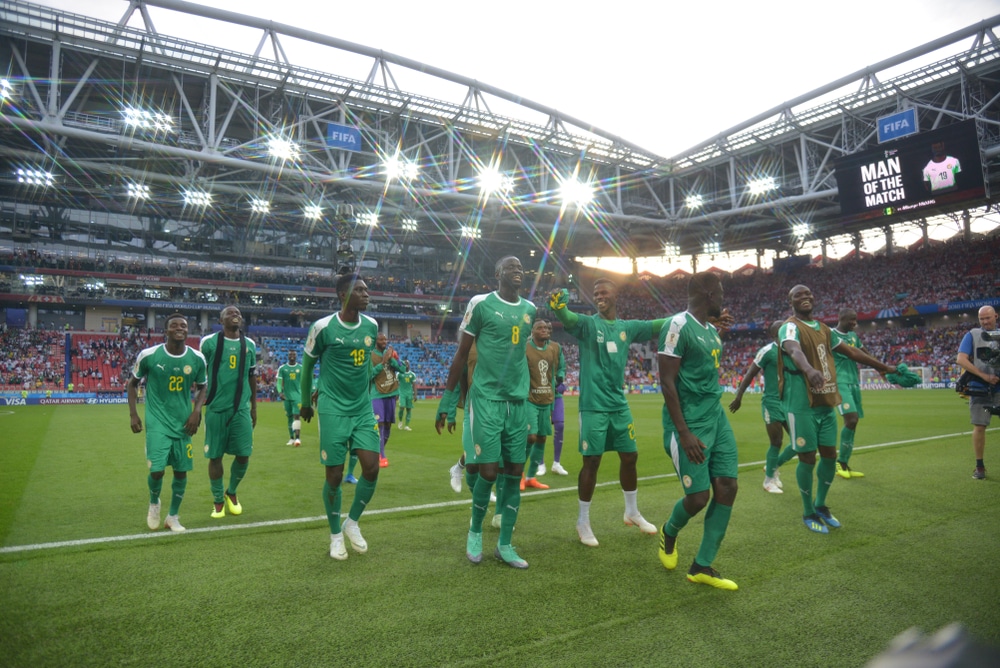
The match saw Senegal’s head coach, Pape Thiaw, react strongly to what he perceived as unfair officiating, particularly after a crucial penalty was awarded to Morocco in the 83rd minute. Following the contentious decision, Thiaw ordered his players to leave the pitch, leading to a 14-minute suspension as the crowd became increasingly tumultuous. In this chaos, Senegal fans clashed with both Moroccan supporters and law enforcement. When play resumed, Brahim Diaz missed the penalty, and Senegal ultimately lost in extra time when Pape Gueye scored the only goal of the match.
CAF’s Decision and Its Implications
In a groundbreaking ruling, CAF deemed Thiaw’s actions a violation of Article 82 of its regulations, which states that a team that withdraws without referee authorization shall be considered a loser and eliminated from the competition. This ruling effectively reversed Senegal’s victory, categorizing it as a 3-0 loss, as stipulated in Article 84 of the regulations.
This decision marks a significant departure from typical match outcomes, with Morocco’s 49-year wait to claim the AFCON title concluding not on the pitch but through a regulatory decision. The implications of this ruling are profound, setting a legal precedent within the realm of international football.
Senegal’s Reaction and Next Steps
Senegal’s football federation is reportedly weighing its options, including a possible appeal to the Court of Arbitration for Sport, as they have yet to release an official statement regarding CAF’s verdict. Players from the Senegal squad have expressed their disappointment on social media, with defender Moussa Niakhate provocatively urging Moroccan players to “come and get them,” while West Ham’s El Hadji Malick Diouf shared celebratory messages that suggest a lingering frustration over the decision.
Sanctions and Responses
As a consequence of their actions during the final, Senegal’s players and coaching staff faced various sanctions. Coach Pape Thiaw received a five-match suspension, while key players Iliman Ndiaye and Ismaila Sarr were given two-game suspensions. In a further twist, Moroccan players Ismael Saibari and Achraf Hakimi received penalties as well, but CAF reduced Hakimi’s suspension from three games to just two, with one being suspended.
In their defense, the FRMF emphasized that their appeal was not an attempt to undermine the sporting performances of their opponents but rather to ensure adherence to the competition’s established regulations. They expressed gratitude towards all participating nations for their contributions to a memorable edition of the AFCON.
The controversy surrounding this decision highlights the complexities and often unpredictable nature of competitive sports, particularly within the framework of international regulations. As nations and fans reflect on the implications of CAF’s ruling, the spotlight remains on how rules are enforced in African football and the broader landscape of the sport worldwide.