









Manchester City’s recent visit to Bodo/Glimt in the UEFA Champions League showcased a disappointing performance, further revealing the cracks in a once-formidable team. While Manchester City thrives on its superior skill set and financial backing, the recent match exposed glaring vulnerabilities that many fans had hoped were behind them. The echoes of their glorious past, reminiscent of narratives spun by bands like Oasis, highlight just how far the club has fallen from its peak.
Defeat in Northern Norway
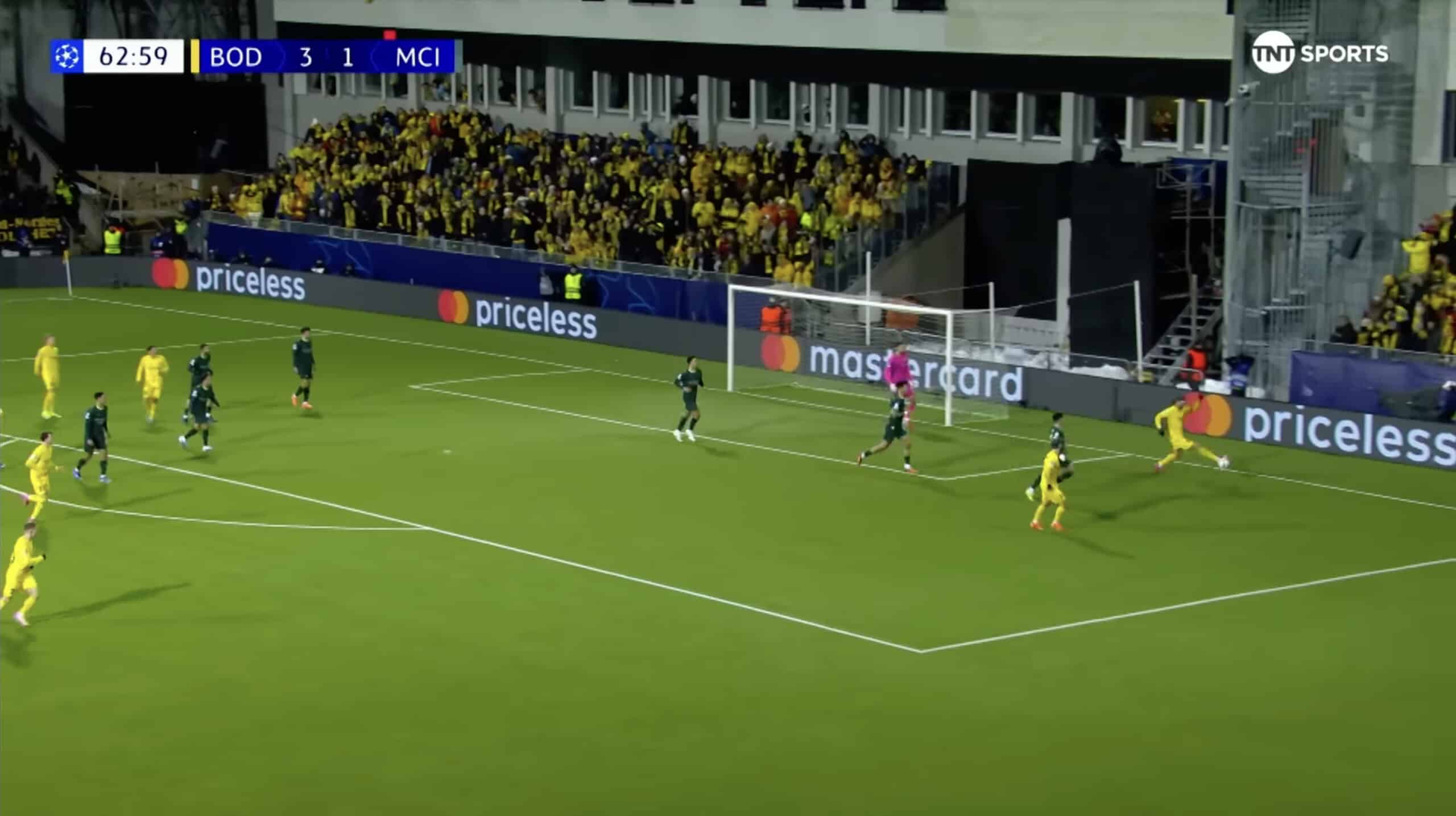
The 3-1 loss against Bodo/Glimt serves as a stark reminder of City’s current issues. With Kasper Hogh netting two goals by the 24th minute and Jens Petter Hauge adding another in the second half, City found themselves in an insurmountable position. This match marked a historic first Champions League victory for Bodo/Glimt, turning the tables in a contest where they were previously viewed as underdogs.
Effects of Injuries and Poor Form
Bodo/Glimt benefited from City’s injury woes, which saw them missing key players from Pep Guardiola’s usual starting lineup. Their attacking prowess was notably diminished, as City managed merely a single goal from Rayan Cherki, with Erling Haaland making only a minimal impact. As City continues to develop a dependence on Haaland to deliver critical goals, his evident struggles have highlighted the fragility of their offense. With just one goal in his last eight competitive matches, the team has failed to find rhythm without his contributions.
Glancing at Future Solutions
Manchester City’s leadership seems to acknowledge the ongoing challenges. Recent investments, such as the acquisition of Antoine Semenyo and Marc Guehi, aim to address both offensive and defensive shortcomings. This shift towards rebuilding underscores a season filled with trials and errors, yet offers hope that new players can bring fresh talent and revitalize the squad. Cherki’s goal, in particular, signals that he may become a valuable asset during tougher times.
The Road Ahead for Guardiola
Even with a new roster, the consistent poor form experienced during the latter stages of 2024 remains a concern. Guardiola faces the daunting task of not just integrating new talent, but also reinvigorating the overall team dynamics. Players like Rodri, who was pivotal during previous successful campaigns, have struggled to regain their best form. This has compounded City’s difficulties on the pitch, evidenced by sloppy play leading to crucial mistakes, such as Rodri’s ill-timed yellow cards.
Conclusion
As Manchester City navigates this tumultuous rebuilding phase, the recent loss to Bodo/Glimt serves as a crucial turning point. The path to recovery requires more than just new signings—it demands a comprehensive strategy to restore team cohesion and performance consistency. Guardiola’s challenge lies not only in constructing a competitive squad but also in fostering an environment where players can thrive regardless of individual performance dips. The journey ahead promises to be both intricate and vital for reclaiming their status as one of football’s elite.